01
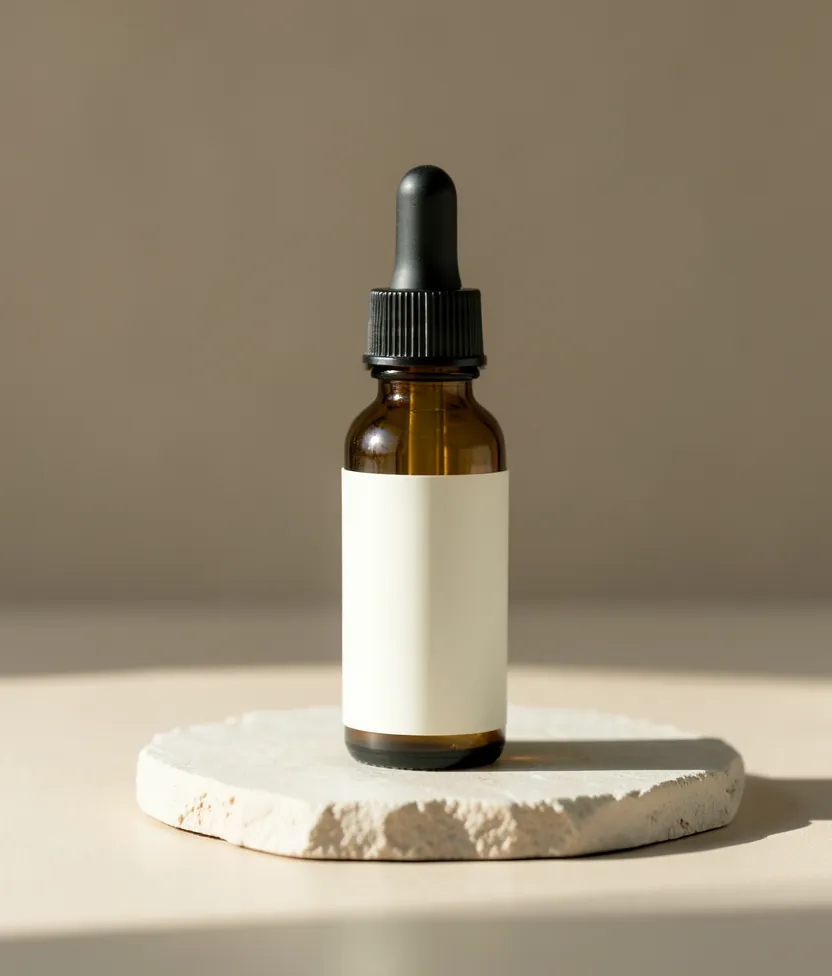
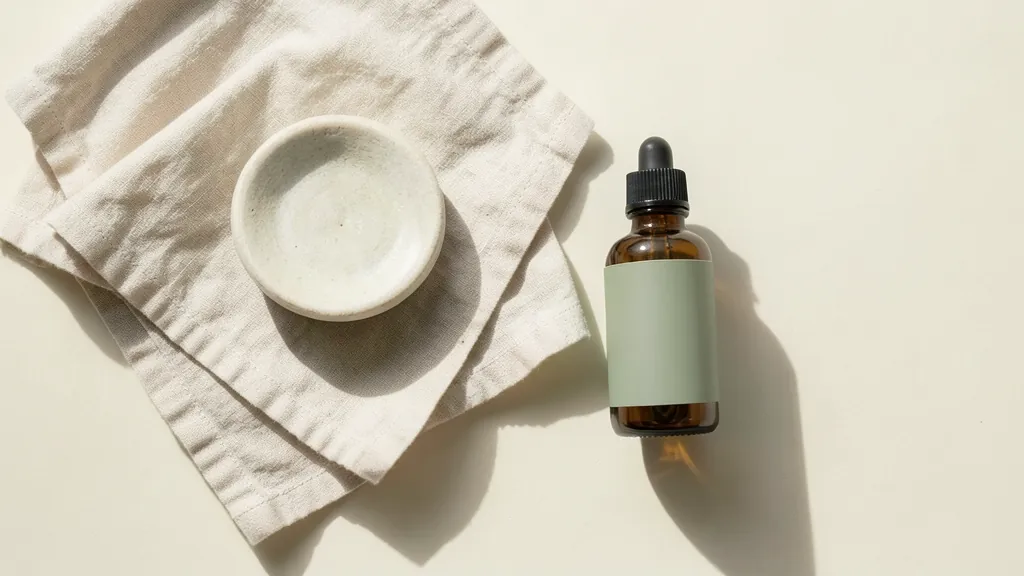
Barrier Serum
$68
Niacinamide 5% + Ceramide NP · 30 ml
Nine ingredients, three formulas, one barrier protocol. Every claim on this site is tied to a published study — and we print the reference beside it.
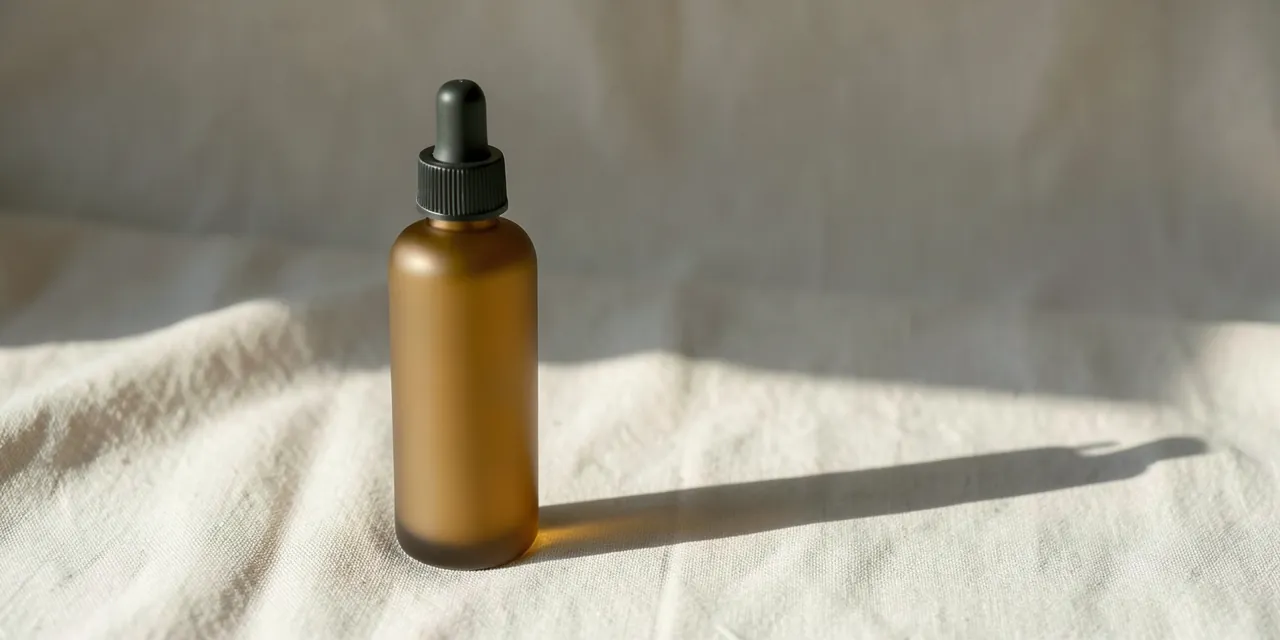
01
$68
Niacinamide 5% + Ceramide NP · 30 ml
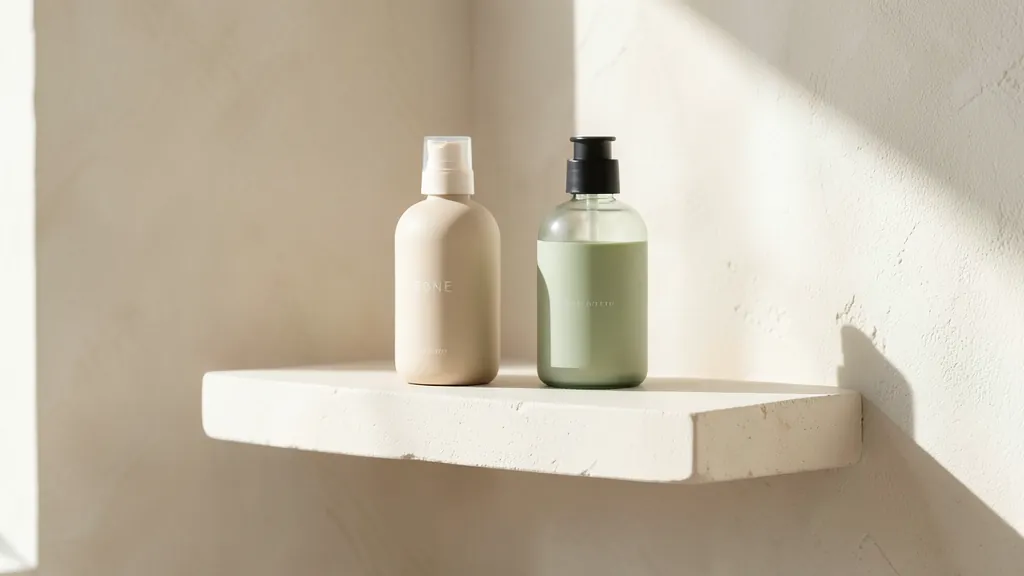
02
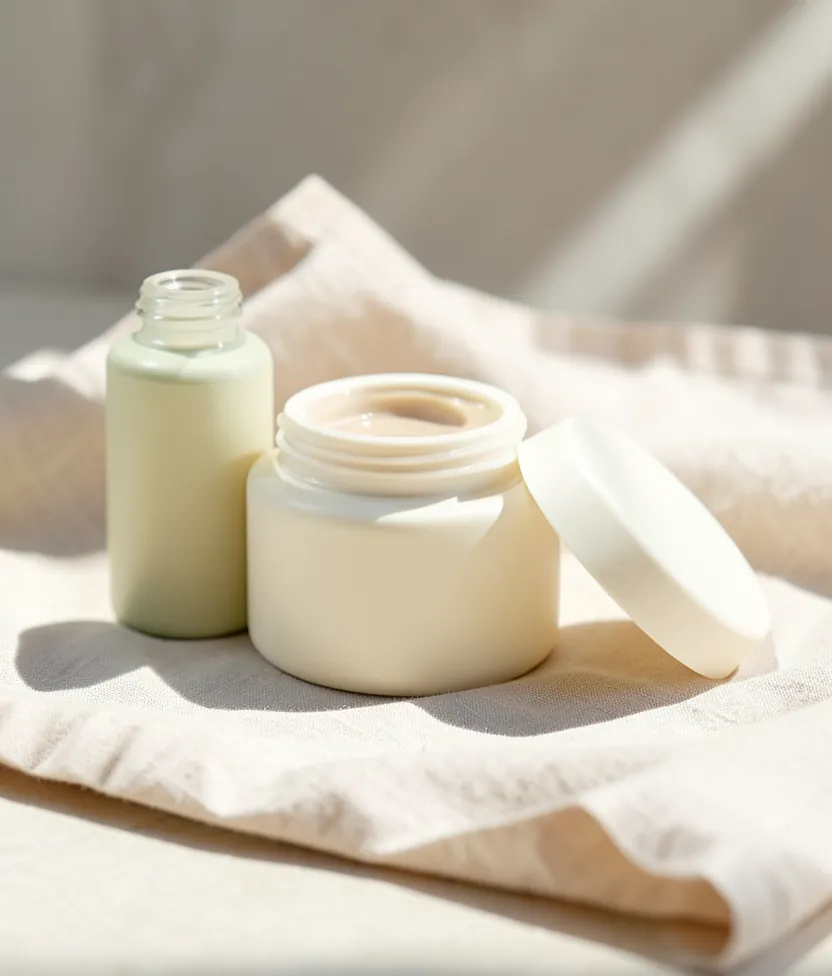
$54
Squalane + Cholesterol · 50 ml
03
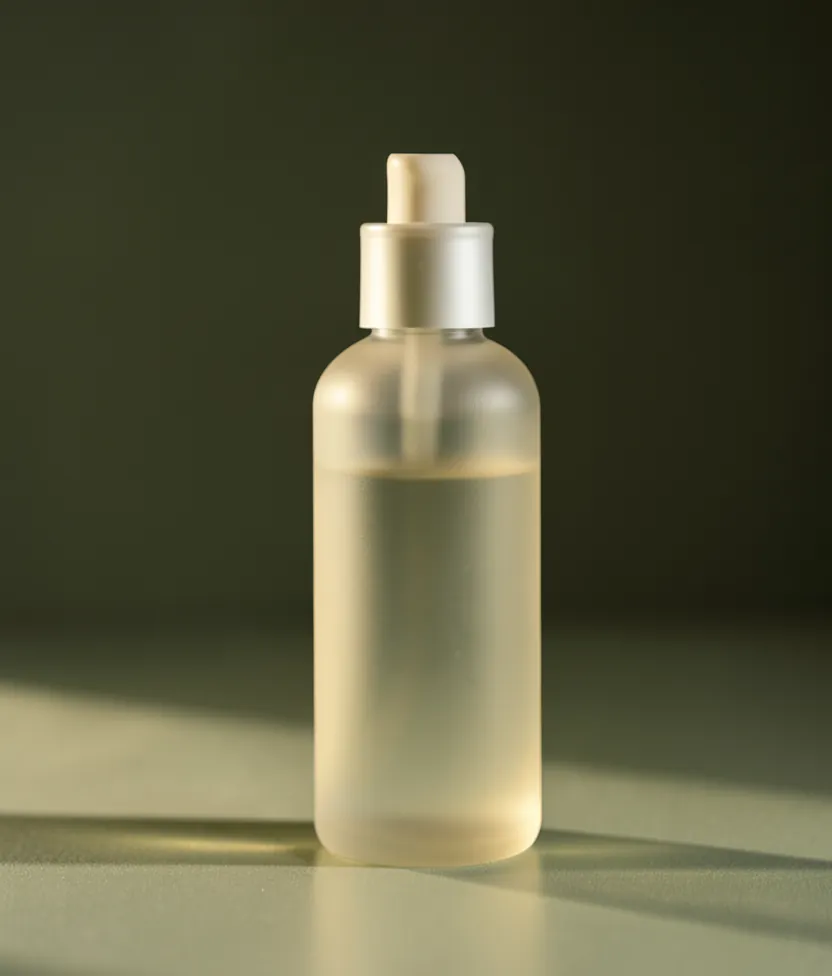
$62
Mandelic Acid 8% · 30 ml
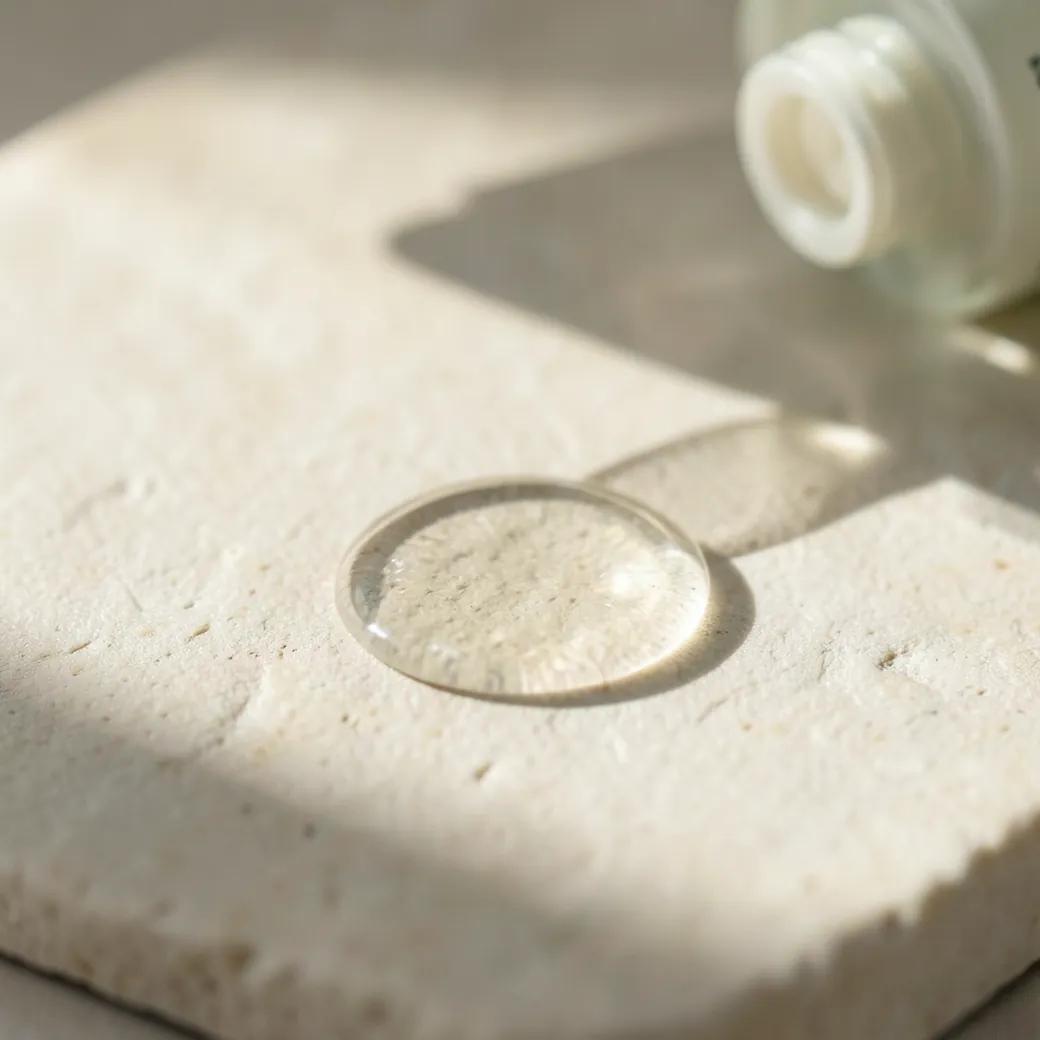
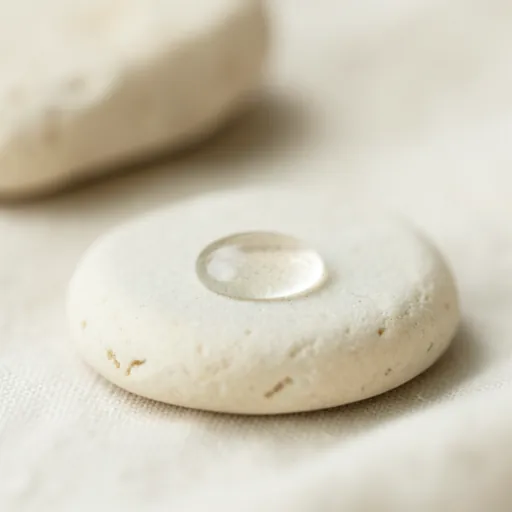
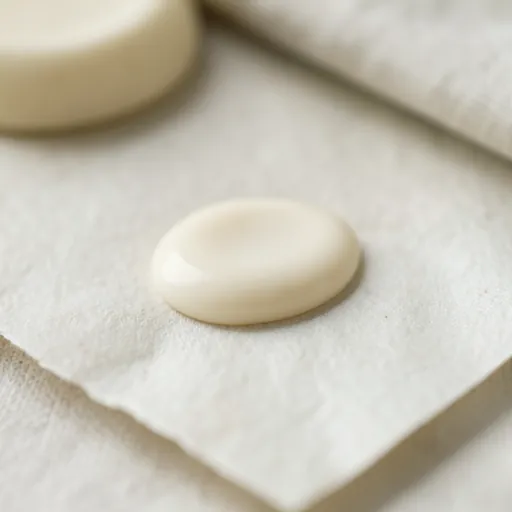
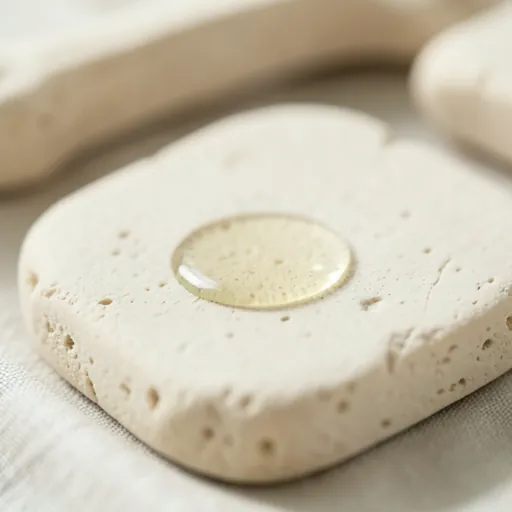
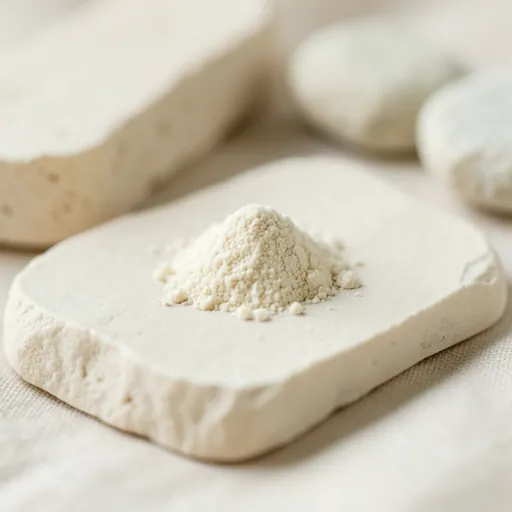
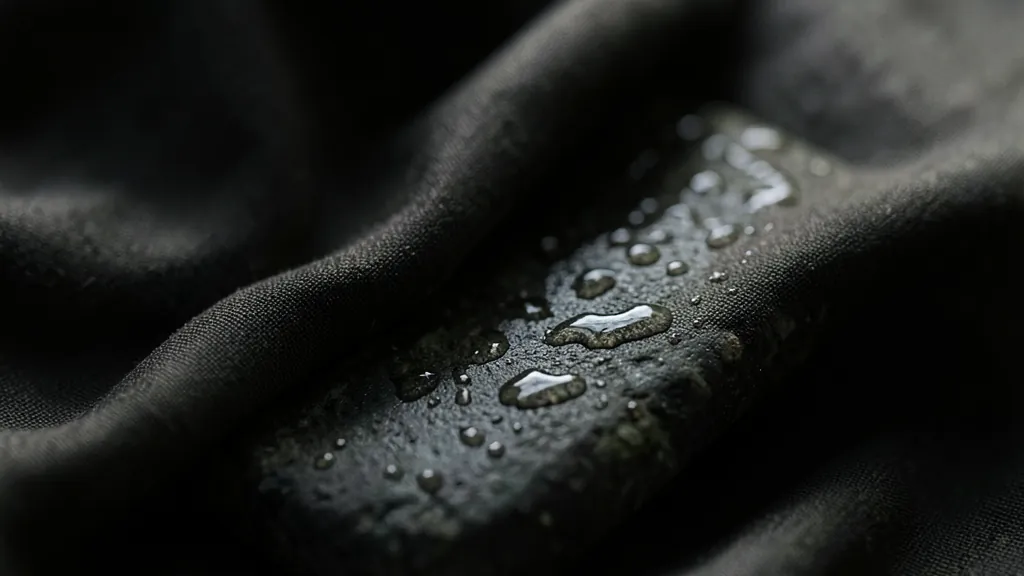
NIACINAMIDE 5% — MACRO, 4× MAGNIFICATION
THE INDEX
Each ingredient expands to its concentration, its function, and the study we rest the claim on. Nothing is hidden behind a “complex”.
Supports barrier lipid synthesis and measurably lowers transepidermal water loss. Above 5% we saw no further improvement, only more flushing reports.
J Cosmet Dermatol · 2019
Replaces the exact lipid class a compromised barrier is short of. Paired with cholesterol and a fatty acid at a ratio the skin can actually assemble.
J Invest Dermatol · 2016
An occlusive that sits close to the skin’s own sebum profile, so it slows water loss without the heaviness of a mineral oil.
Int J Cosmet Sci · 2018
The third leg of the barrier lipid triad. Left out of most formulas because it is expensive; without it the ceramide does far less than the label implies.
J Am Acad Dermatol · 2014
The largest molecule of the common AHAs, so it enters slowly and irritates less. Chosen over glycolic for exactly that reason.
Dermatol Surg · 2013
01
Water only in the morning. Skin does not need to be stripped before it is fed — and most irritation starts at this step.
NO PRODUCT REQUIRED
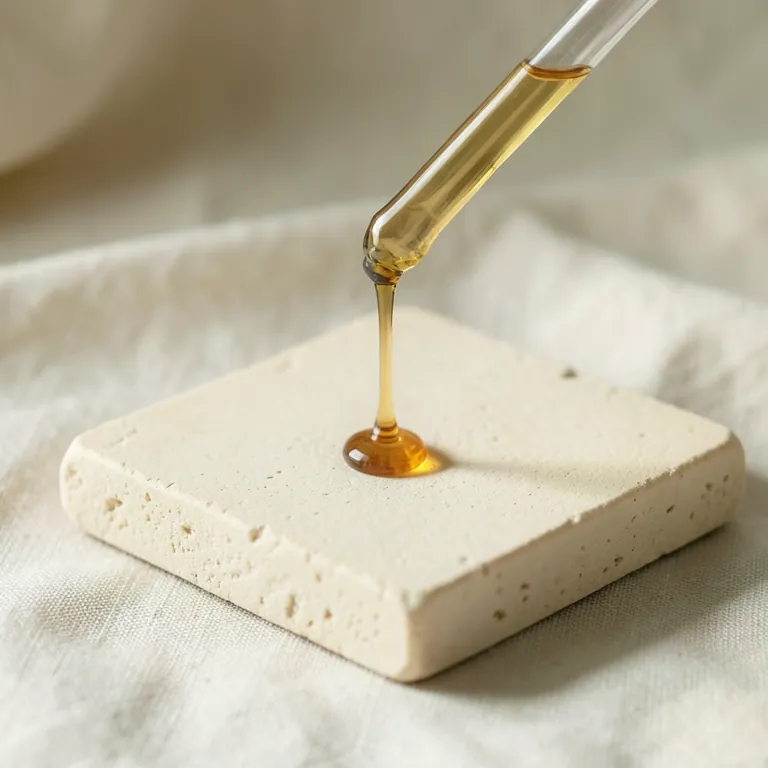
02
Barrier Serum, three drops, pressed into damp skin. Niacinamide moves better through water than through dry stratum corneum.
BARRIER SERUM · 30 ML
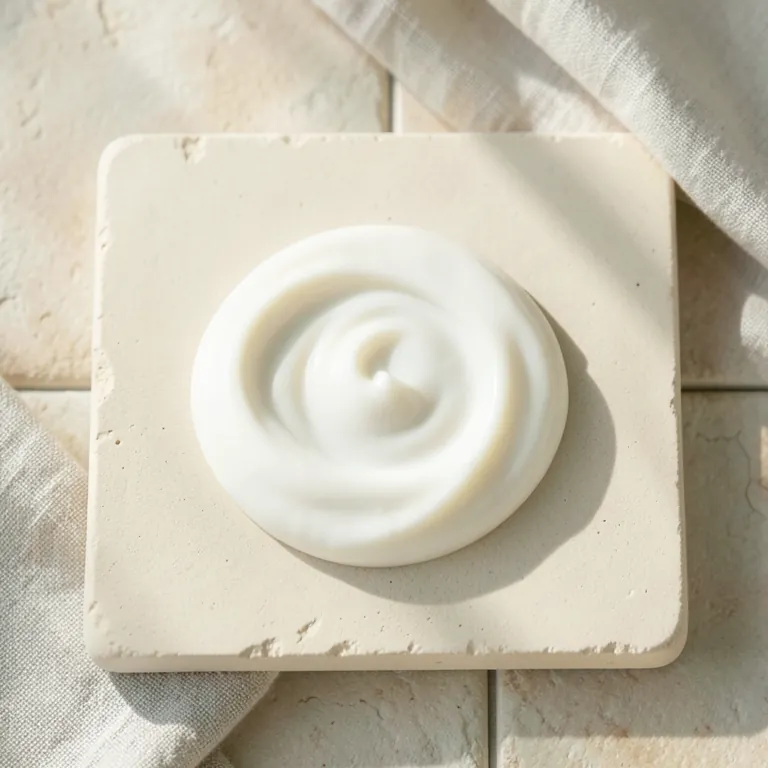
03
Buffer Cream over the top while the serum is still wet. This is the step most routines skip and every barrier needs.
BUFFER CREAM · 50 ML
THE INDEX — MONTHLY
New references, formulation notes, and the occasional correction when we get something wrong.